
NetSuite for Scaleups: The Natural Next Step
Why NetSuite Is the Natural Next Step for Fast-Growing Startups and Scaleups
If you’re a startup or scaleup and you’re beginning to feel your business is outgrowing Sage, Xero, or QuickBooks, don’t worry. You’re not alone. Many early-stage businesses start with lightweight accounting tools to keep costs down and processes simple. But as growth accelerates, the cracks can begin to show: multiple entities, complex billing, disparate systems, international expansion, inventory management, and advanced reporting requirements stretch those entry-level systems beyond their limit.
This is where NetSuite comes into its own. It’s a cloud platform designed to handle finance, operations, commerce, and analytics in one place, scaling alongside your business rather than holding it back.
Why “Good Enough” Accounting Stops Being Enough
Common Growth Pain Points
- Data fragmentation: Sales, billing, and inventory live in separate systems, leaving teams reliant on spreadsheets.
- Multi-entity and multi-currency headaches: Group structures and overseas trade create reporting and compliance complexity.
- Revenue recognition difficulties: Subscriptions, project billing, and bundled offerings demand more sophisticated rules.
- Lack of visibility: Decision-makers need real-time dashboards and insights, not a monthly trawl through exported data.
NetSuite is built to address exactly these pain points, replacing manual work and disconnected systems with a single, integrated platform.
How NetSuite Supports Scaleups from Day One
Multi-Company, Multi-Currency, Multi-Tax Capability
NetSuite allows you to manage subsidiaries, currencies, and tax requirements all within one account. This means faster consolidations, fewer spreadsheets, and real-time visibility both at entity and group level.
Subscription and Usage Billing
For businesses with recurring or usage-based revenue models, NetSuite provides flexible billing that supports flat, tiered, or hybrid structures. Invoices are accurate, delivered on time, and scalable as your customer base grows.
Automated Revenue Recognition
Revenue can be recognised in line with accounting standards, without the need for manual schedules. Rules can be applied at the contract level, giving finance teams confidence and reducing risk.
Real-Time Reporting and Analytics
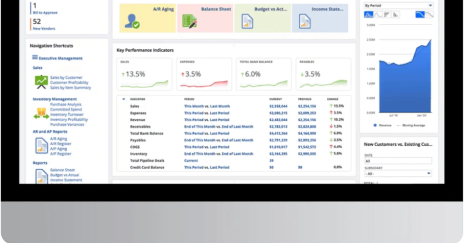
With built-in analytics, leaders gain access to live dashboards, saved searches, and KPIs without relying on manual exports. Advanced reporting even allows for cross-system data integration and predictive insights, ideal for board packs and investor updates.
Seamless Integration
NetSuite’s architecture supports clean integration with existing applications. For e-commerce, prebuilt connectors keep inventory, orders, and fulfilment in sync, eliminating the errors of manual reconciliation.
Are You Ready to Move Beyond Sage, Xero, or QuickBooks?
You may be ready for NetSuite if:
- You operate multiple entities and need real-time consolidations and local compliance.
- You sell subscriptions, projects, or complex bundles that demand robust billing and revenue management.
- Inventory, fulfilment, or manufacturing requirements are growing more complex.
- Investor reporting is too slow and you want live dashboards that stakeholders can trust.
- Your technology stack is sprawling, and you want a single, scalable platform instead of endless point solutions.
Why Investors Prefer NetSuite
- Faster, more accurate month-end closes.
- Audit-ready data and automated compliance.
- Consistent KPIs across entities.
- Transparent reporting for boards and investors.
Having a single, definitive source of truth improves confidence, which is invaluable when raising capital or undergoing due diligence.
E-commerce and Omnichannel Growth
For businesses scaling direct-to-consumer or B2B ecommerce, NetSuite’s connectors ensure orders, customers, inventory, and fulfilment remain in sync at all times. This removes manual reconciliation and reduces the potential for costly errors, keeping your operations lean as order volumes increase.
Built for Tomorrow’s Challenges
NetSuite isn’t just about solving today’s pain points. Its analytical capabilities, extensive architecture, and modular licensing model mean you can start lean and add functionality as your business matures. Whether you expand internationally, diversify into new revenue models, or scale to hundreds of employees, NetSuite adapts without the need for disruptive replatforming.
Is NetSuite Right for Every Business?
For very early-stage companies, NetSuite may feel like overkill. If you have one entity, a handful of employees, and straightforward revenue, an entry-level system might suffice. But for businesses experiencing rapid growth, complexity, or investment pressures, waiting too long can be costly. Month-end delays, compliance risks, and unreliable data all impact investor confidence and operational efficiency.
The Bottom Line
If you’re struggling with multi-entity accounting, subscription billing, complex inventory, or investor reporting, NetSuite is the logical next step beyond Sage, Xero, or QuickBooks. It brings together finance, operations, commerce, and analytics in one unified platform, giving you the scalability and control needed to grow with confidence.
At Humony, we help startups and scaleups implement NetSuite in a way that supports their growth curve—starting lean, expanding quickly, and ensuring reporting is investor-grade from day one.
Still have questions?
Here are a few of the questions ambitious companies ask us about NetSuite implementation.
Is NetSuite better than Xero/QuickBooks/Sage for multi-entity accounting?
Short answer — yes. NetSuite handles multi-company, multi-currency and multi-tax out of the box, delivering real-time consolidations without spreadsheet workarounds. If you'd like to learn more about moving beyond Sage, Xero or QuickBooks, check out this post.
Can NetSuite automate revenue recognition (e.g., IFRS 15)?
Yes. Define rules at item or contract level and NetSuite generates compliant schedules automatically, reducing manual journals and audit risk.
Does NetSuite integrate with Shopify, Amazon, Stripe and Salesforce?
Yes — via native connectors and robust APIs. Orders, inventory, payments and CRM data stay in sync, cutting reconciliation effort and fulfilment errors.
Will NetSuite help us close month-end faster?
Typically yes. Automated billing, accruals, eliminations and intercompany postings reduce manual steps, so finance closes sooner with fewer late adjustments.
How does NetSuite support international growth (VAT, multi-currency, local tax)?
It manages multi-currency revaluations, VAT/tax codes and localised reports. Consolidations and translations are automated across subsidiaries.
Is NetSuite suitable for SaaS metrics like ARR, MRR and churn?
Yes. With subscription billing and revenue recognition in place, SaaS KPIs appear on live dashboards, including renewals and cohorts.
Can NetSuite give investor-grade reporting for board packs and due diligence?
Yes. It delivers consistent KPIs, audit trails and rapid consolidations. Humony configures investor dashboards and closes-in-days workflows that withstand diligence scrutiny from day one.
Does NetSuite support project accounting and services billing?
It does. Track WIP, time & expenses, milestones and fixed-fee/T&M billing with automated revenue recognition and margin visibility by project.
Will NetSuite help with cash flow and collections?
Accurate, timely invoicing and dunning workflows improve AR ageing. Real-time cash and forecast views help leaders act earlier.
Can we start small on NetSuite and add entities/modules later?
Absolutely. Humony’s phased delivery model lets you go live quickly on core financials, then add subscription billing, revenue, inventory or new subsidiaries as needs evolve.
How does NetSuite improve data accuracy versus spreadsheets?
Single-source master data, controlled workflows and audit trails reduce re-keying. Saved searches and roles ensure teams use consistent, current data.
Is NetSuite compliant with Making Tax Digital (MTD) and UK requirements?
Yes, with VAT capabilities and MTD-compatible processes. You can produce UK-specific tax reports while managing global operations.
How does NetSuite support intercompany transactions and eliminations?
It automates intercompany AR/AP, transfer pricing and eliminations in consolidation. That removes manual journals and speeds the group close.
What ongoing admin and support do we need after go-live?
Most scaleups appoint an internal admin/COE and a partner for enhancements. Humony offers enablement, admin coaching and managed services so your team gets the most from NetSuite from day one and beyond.